
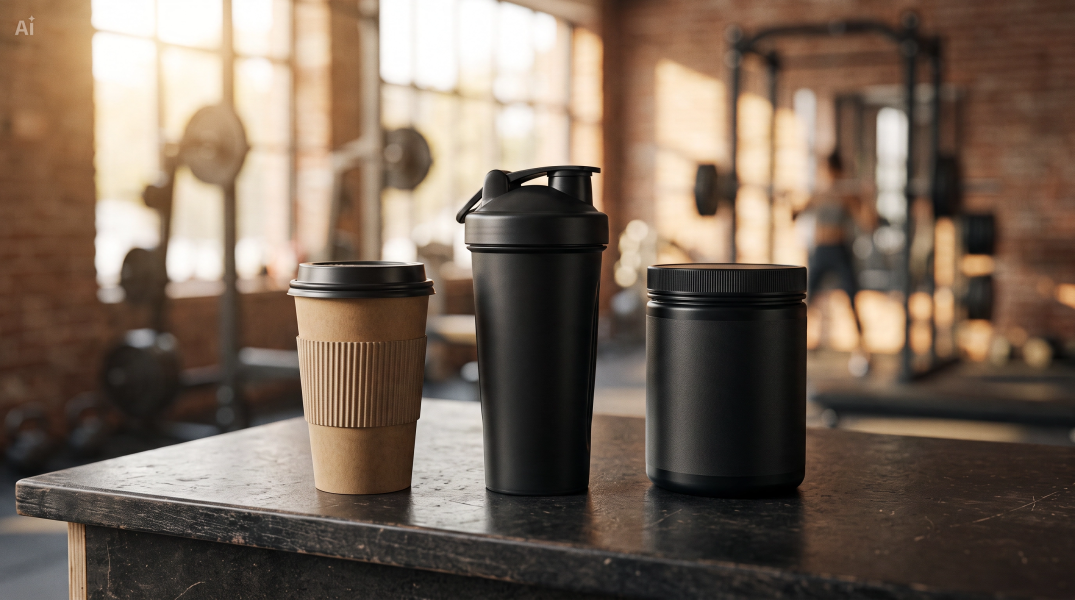
If coffee already gives you energy before the gym, it’s a fair question — do you actually need a dedicated pre-workout, or is that just marketing? The honest answer: coffee genuinely helps, but a formulated pre-workout is doing meaningfully more than caffeine alone.
What They Actually Share
Both deliver caffeine, and caffeine is genuinely doing most of the “energy” work in either case — blocking adenosine receptors to reduce perceived fatigue and improve alertness. A strong cup of coffee (roughly 95mg of caffeine) or two can meaningfully improve training performance on its own, and there’s solid research behind caffeine specifically, regardless of the source.
What a Formulated Pre-Workout Adds That Coffee Doesn’t
- L-Citrulline for pump: Coffee has zero nitric-oxide-boosting effect. If you care about the “pump” sensation and the blood flow benefits behind it, that’s coming entirely from citrulline (or similar ingredients), not caffeine.
- Beta-alanine for endurance: Coffee does nothing for muscular fatigue buffering during high-rep sets — that’s beta-alanine’s specific job, and coffee simply doesn’t contain it.
- Precise, consistent dosing: Coffee’s caffeine content varies meaningfully by bean, roast, and brew method — a formulated pre-workout gives you a consistent, known dose every time, which matters if you’re trying to dial in exactly what works for you.
- No added sugar or cream, if that matters to you: Depending on how you take your coffee, a black coffee is comparable to pre-workout on this front — but many people’s actual coffee order includes sugar and cream that a pre-workout powder doesn’t.
Where Coffee Genuinely Wins
- Cost: Coffee is dramatically cheaper per serving than any formulated pre-workout.
- Availability: You don’t need to remember to buy or pack a specific product — coffee is everywhere.
- Simplicity: If all you actually want is the energy and focus effect, and you don’t care about pump or endurance buffering, coffee delivers that core benefit without paying for ingredients you won’t use.
So Which Should You Actually Use?
If your only goal is feeling more energized and alert before training, coffee is a perfectly legitimate, far cheaper option — you’re not missing out on much. If you specifically want the pump and endurance benefits that come from citrulline and beta-alanine, no amount of coffee gets you there; those require a formulated product. See our full breakdown of how pre-workout actually works for the mechanism behind each ingredient.
Some people use coffee on lighter training days and save a full pre-workout for heavier sessions where the pump and endurance benefits matter more. There’s nothing wrong with treating these as two different tools for two different situations rather than an either-or decision.
Frequently Asked Questions
How much caffeine is in coffee vs. pre-workout?
An 8oz cup of coffee typically contains 80-100mg of caffeine, while pre-workout formulas commonly range from 150-300mg+ per serving — meaningfully more concentrated, and dosed specifically to fall in the 3-6mg/kg range research supports for performance benefits.
Can I take coffee and pre-workout together?
You can, but it’s worth being cautious about total caffeine intake if you do — stacking both can push you well past a comfortable dose, especially for anyone without a high stimulant tolerance.
Final Word
Coffee and pre-workout aren’t really competing for the same job — coffee covers the caffeine/energy piece well and cheaply, while a formulated pre-workout adds pump and endurance benefits coffee simply can’t provide. Choose based on what you’re actually trying to get out of it. See our full pre-workout rankings if you decide the formulated route is worth it.
This article contains affiliate links. FitnessAdvisor may earn a commission if you purchase through our links, at no extra cost to you. This has no influence on our recommendations. See our affiliate disclosure.


