
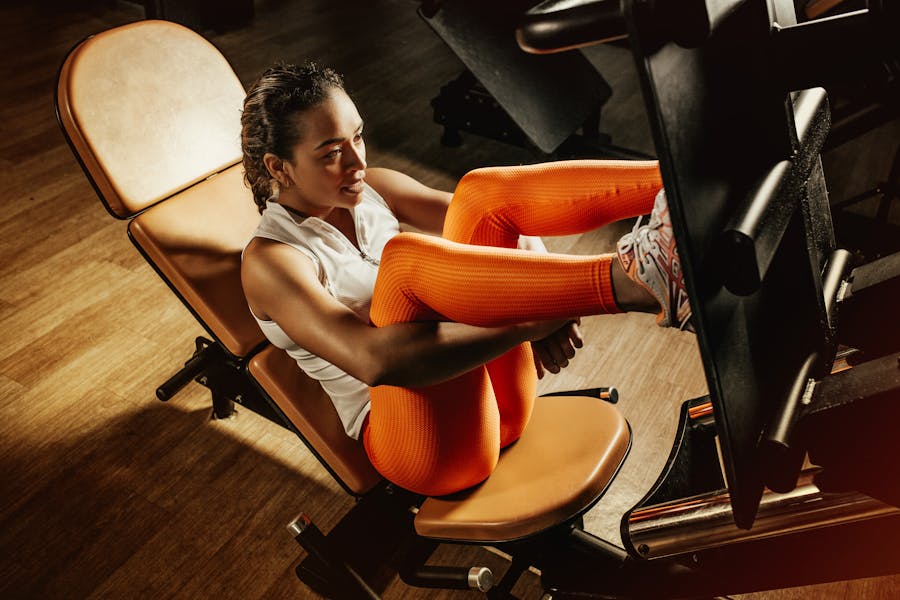
Strength training is one of the most beneficial forms of exercise available to women — and one of the most avoided, for reasons that are almost entirely based on myths. This guide addresses those myths directly, explains what the evidence actually shows, and provides a practical framework for getting started.
The Myth That Needs to Die
“I don’t want to get bulky.” It is the single most common reason women give for avoiding the weights room. And it is based on a fundamental misunderstanding of how muscle growth works in the female body.
Building significant muscle mass requires a large caloric surplus, years of consistent progressive training, and — critically — testosterone levels that drive the anabolic processes necessary for substantial hypertrophy. Women produce approximately 15–20 times less testosterone than men. This is not a limitation that can be overcome through training harder. It is a physiological reality that means the “accidental bulk” that women fear is simply not possible without deliberate, sustained effort specifically directed toward maximising muscle mass over years — a process that looks nothing like normal gym training.
What women who start lifting weights reliably get instead: improved muscle definition and body composition (more muscle, less fat, a leaner appearance at the same or lower body weight), significantly better bone density, improved insulin sensitivity, a higher resting metabolic rate, and documented reductions in anxiety and depression symptoms. These are not marginal benefits. They are among the most consistently demonstrated effects in the exercise science literature.
Why Women Benefit Specifically from Strength Training
Bone Density — The Overlooked Imperative
Osteoporosis affects approximately 10 million Americans, and women account for 80% of those cases. After menopause, estrogen levels drop significantly, and with them the hormonal protection against bone density loss. The consequence — fragile bones, fractures, loss of independence — is one of the most significant health risks women face in later life.
Resistance training is the single most potent exercise stimulus for building and maintaining bone mineral density. Bone responds to mechanical loading by becoming denser and stronger. Women who strength train consistently from their 30s and 40s enter menopause with a significantly larger “bone bank” to draw against. Women who start lifting after menopause can still halt or reverse bone density decline. This is not a fitness benefit — it is a health intervention with genuine long-term consequences for quality of life.
Metabolic Health
Muscle tissue is metabolically active — it burns more calories at rest than fat tissue. Building and maintaining muscle mass raises your basal metabolic rate, making it easier to maintain a healthy body weight over time. This effect is particularly significant for women over 35, when muscle loss tends to accelerate in the absence of resistance training, and the resulting metabolic slowdown contributes to the weight gain most women attribute to “age” or “hormones” rather than the actual cause: declining muscle mass.
Mental Health and Confidence
The psychological benefits of strength training for women are among the most consistently documented and frequently underemphasized in the research. Regular resistance training reduces anxiety and depression symptoms, improves self-efficacy (the belief in your own ability to accomplish things), and produces a form of physical confidence — the experience of your body as capable and powerful rather than merely decorative — that other forms of exercise rarely replicate.
Getting Started — The Practical Framework
The most common mistake women new to lifting make is choosing an overly complicated program because it looks more professional. The science on beginner training is clear: simple, consistent programs focused on the fundamental movement patterns produce the best results for the first 12–18 months. Complexity is not a virtue at the start.
The Fundamental Movement Patterns
Our complete strength training guide covers these in detail, but the six patterns every program should include are:
- Squat — goblet squat, barbell squat, Bulgarian split squat. Quads, glutes, core. Technique guide: leg exercises
- Hinge — Romanian deadlift, hip thrust, kettlebell swing. Hamstrings, glutes. The hip thrust specifically has exceptional evidence for glute development.
- Push — push-up, dumbbell bench press, overhead press. Chest, shoulders, triceps. Technique: chest exercises, shoulder exercises
- Pull — lat pulldown, dumbbell row, assisted pull-up. Back, biceps. Technique: back exercises
- Core — plank, dead bug, Pallof press. Full core stability. Technique: core exercises
- Carry — farmer’s walk with dumbbells. Grip, core, full-body stability.
A Practical 3-Day Full-Body Program
Three full-body sessions per week — Monday, Wednesday, Friday — is the optimal starting structure for most women new to lifting. It provides enough frequency to learn movement patterns quickly, enough volume to stimulate adaptation, and enough recovery to allow adaptation to occur.
Add weight whenever you can complete all sets and reps with good form. This is the progressive overload principle in its simplest form — and it works reliably for 12–18 months before more sophisticated programming is needed.
Nutrition — The Essential Support
Strength training without adequate protein produces a fraction of the available results. The training provides the stimulus; nutrition provides the material. For women training for muscle development and body composition improvement, the protein target is 0.7–1 gram per pound of bodyweight daily. At a typical 130–150lb bodyweight, that is 91–150 grams of protein per day — significantly more than most women consume without deliberate planning.
High-protein food sources — chicken, fish, eggs, Greek yoghurt, cottage cheese, legumes — need to be central to every meal. Where whole food falls short, protein supplementation fills the gap efficiently. Our protein powder reviews cover the best options across all dietary preferences, including plant-based alternatives for those avoiding dairy.
Creatine is the one supplement with consistent evidence for women specifically. Beyond strength and muscle, emerging research suggests creatine may have particular benefits for women around cognitive function and hormonal transitions. Our creatine supplement reviews explain the evidence and the best tested options.
Finding the Right Environment
For many women, the weights room can feel intimidating when starting out — an environment that historically skewed heavily male and where unsolicited advice from strangers is not uncommon. Choosing the right gym matters.
The most welcoming environments for women new to lifting tend to be boutique strength gyms, CrossFit boxes (which typically have strong female communities), and powerlifting gyms (which are often surprisingly approachable and knowledgeable). Standard commercial gym chains vary widely. Our commercial gym reviews cover the major chains, and our powerlifting gym guide covers what to look for in a strength-focused environment.
Online coaching and training apps have also made it significantly easier to get quality instruction without a gym environment at all. See our fitness app reviews for the best training apps if you are starting at home.


